All laboratories are well Equipped with sufficient infrastructure
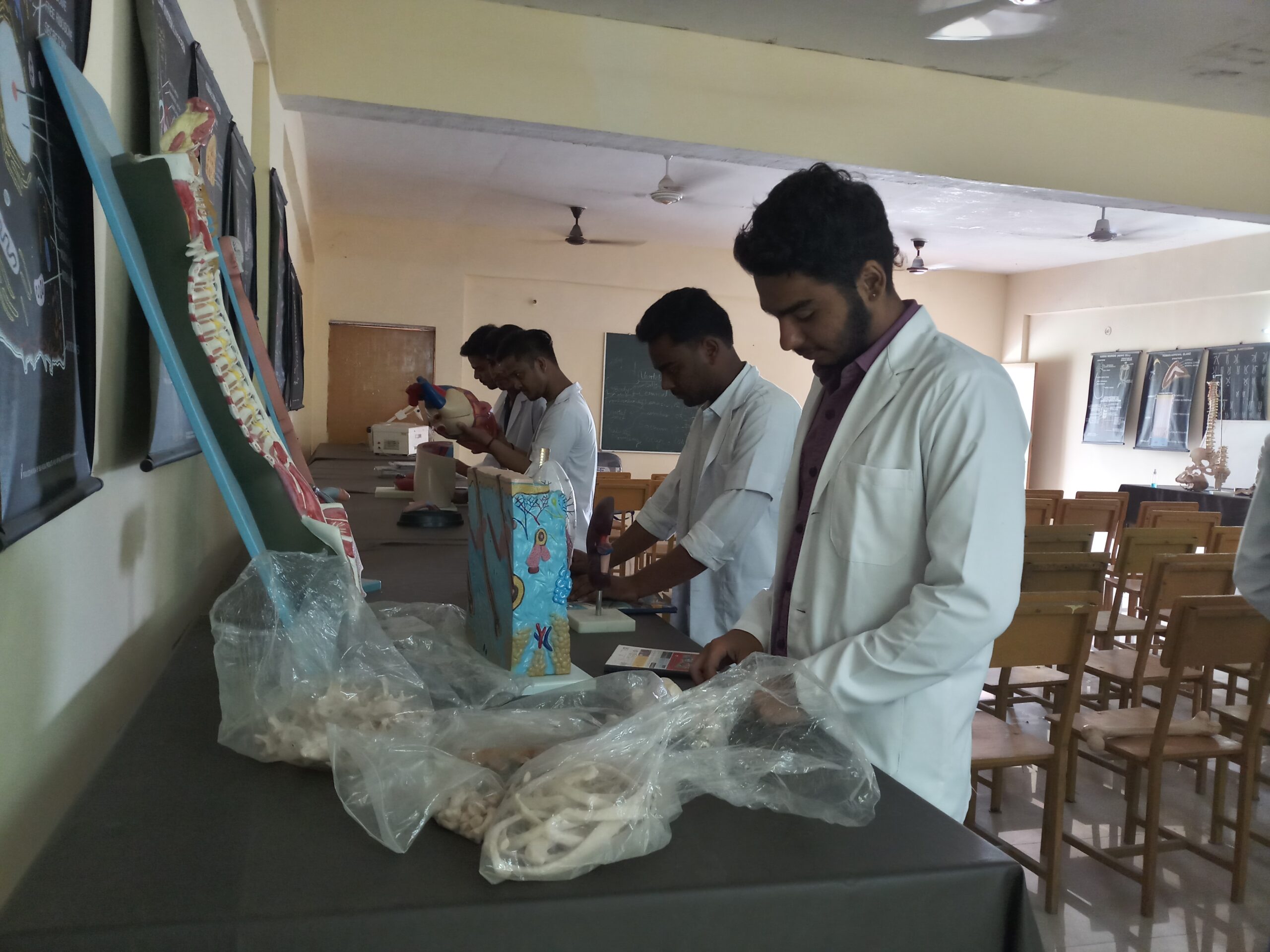
Anatomy Museum
Anatomy Museum of our college is designed to provide students with a clear and practical understanding of human anatomy. The museum houses preserved specimens, anatomical models, charts, skeletons, and educational exhibits that help students correlate theoretical knowledge with practical learning

Dravyaguna (Pharmacology) Laboratory
The Dravyaguna Laboratory is equipped for the study and identification of medicinal plants, raw drugs, and Ayurvedic formulations. The laboratory provides hands-on training to students in pharmacognosy, drug identification, organoleptic evaluation, and preparation methods used in Ayurveda.
Rog Nidan (Pathology Lab)
The Rog Nidan Laboratory is established to provide practical training in diagnostic and pathological investigations. The laboratory is equipped with modern instruments for hematological, biochemical, urine, stool, and microscopic examinations. Students gain practical exposure to disease diagnosis, laboratory procedures, and interpretation of pathological findings under expert supervision. The lab supports both academic teaching and patient diagnostic services in accordance with Ayurvedic and modern diagnostic principles.
Agad Tantra Lab
The Agad Tantra Laboratory is dedicated to the study of toxicology and forensic medicine in Ayurveda. The laboratory provides students with knowledge regarding poisonous substances, toxic effects, medico-legal aspects, and emergency management.
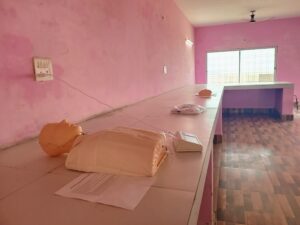
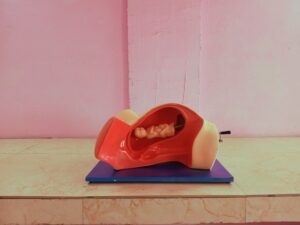
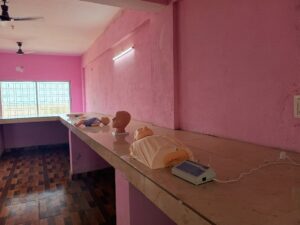
Simulation Lab
The Simulation Lab is designed to provide skill-based clinical training in a safe and controlled environment. The lab is equipped with simulation models, mannequins, and training aids for practicing various clinical and emergency procedures. Students are trained in patient handling, examination techniques, CPR, basic life support, and procedural skills before direct clinical exposure.



Quality Control Lab
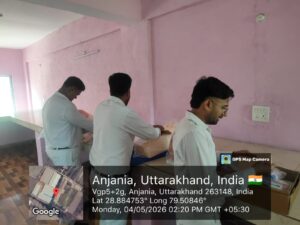
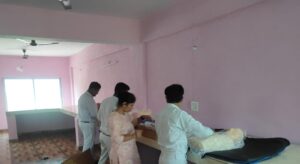
The Quality Control Laboratory ensures the standardization and quality assessment of Ayurvedic medicines and herbal products. The laboratory is equipped for testing raw materials and formulations through physical, chemical, and analytical methods. Students and researchers are trained in quality assurance procedures, purity testing, and standardization techniques as per regulatory guidelines.
Kriya Kulp Procedure Room
The Kriya Kalp Procedure Room is specially developed for conducting Ayurvedic ophthalmic and therapeutic procedures related to eye care. The unit facilitates practical training and patient care procedures such as Netra Tarpana, Aschyotana, Anjana, and other Kriya Kalp therapies under expert supervision.
Bal Panchkarma Unit
The Bal Panchkarma Unit is dedicated to providing specialized Panchkarma therapies for children in a safe and child-friendly environment. The unit focuses on preventive, promotive, and curative Ayurvedic treatments suitable for pediatric patients.
Anatomy Museum
The Anatomy Museum is an essential academic facility of the college that supports practical learning and advanced understanding of human anatomy. The museum contains preserved specimens, articulated and disarticulated bones, anatomical models, charts, embryological specimens, and educational exhibits that help students visualize the structure and organization of the human body.
Herbal Garden
The Herbal Garden of the college serves as a living repository of medicinal plants used in Ayurveda. The garden contains a wide variety of herbs, shrubs, climbers, and medicinal trees with important therapeutic value. It provides students with practical exposure to the identification, cultivation, conservation, and medicinal uses of Ayurvedic plants.